
Chimney Repairs In Weymouth
Is your chimney stack looking tired from the street?
Repointing, flaunching, flashings, pots, cowls, rebuilds and removals on Weymouth chimneys
A chimney is the most exposed bit of brickwork on any house. It stands proud of the roof, takes weather from every side and, on most Weymouth homes, hasn't been looked at closely since it was built. Crumbling joints, a cracked cement collar round the pots and tired flashing where the stack meets the slates are behind a large share of the damp patches we trace in upstairs bedrooms. We repair, rebuild, cap or take down chimney stacks across the town, working from proper access every time.

Book A Free Chimney Survey
Tell us a little about the roof and we will call you back.
Chimney work done properly, from the pots down
Chimneys fail in predictable places. These are the parts we check and the way we deal with each one.
01
Repointing in the right mortar
Old brick and stone stacks were built in soft lime mortar. Repointing them in hard cement traps moisture and can spall the faces off the bricks. We match the mortar to the masonry.
02
New flaunching
The sloped mortar collar that holds the pots and sheds water off the top of the stack cracks with age. Renewed flaunching is one of the cheapest ways to stop water getting into the stack from above.
03
Flashings that actually seal
Where the stack meets the roof, stepped lead flashings and a back gutter keep water out. We renew tired or missing lead rather than smearing mortar or sealant over the joint.
04
Pots, caps and cowls
Unused flues should be capped and ventilated so they don't let rain in or condensate form. Working flues may need a cowl to deal with down-draught or nesting birds, which gulls along the coast are fond of.
05
Rebuilds from the roofline
Where a stack is leaning, badly cracked or the bricks have perished, taking it down to sound brickwork and rebuilding it is safer than patching. We reuse original bricks where they're good.
06
Safe removal of redundant stacks
If a chimney is no longer used, removing it above the roofline and roofing over the gap removes a maintenance problem for good. We'll tell you when that needs building control or a party wall conversation.
1,000+
Roofing projects completed
5★
Every review we have is five stars
10 yrs
Guarantee on roof replacements
Free
Roof surveys and written quotes
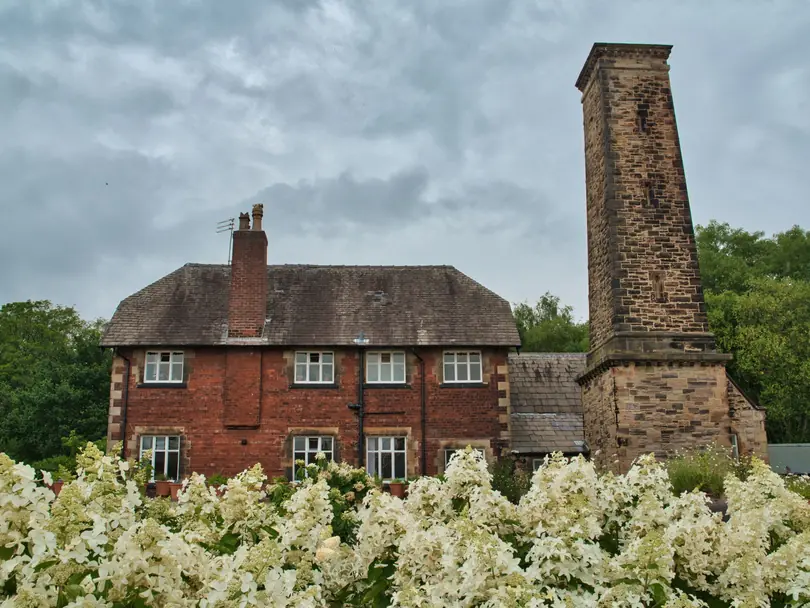
Chimneys on Weymouth's terraces
Along the Georgian and Victorian streets of Weymouth, chimney stacks are often shared between neighbours and sit right on the party wall, with a row of pots serving fireplaces in both houses. That makes them a shared responsibility in practice, if not always in the deeds. A crack running through a shared stack is everybody's problem.
Height and exposure do the rest. A tall stack on a three-storey seafront house takes far more weather than one on a bungalow, and the mortar on its windward face wears much faster than the sheltered side. We often find one face of a stack in decent condition and another that has lost a centimetre of pointing.
"A good number of the 'roof leaks' we're asked to fix in Weymouth turn out to be water getting in through the chimney."
How we repair a chimney, safely and properly
- 1
Inspection from the ground and up close
Binoculars and a pole camera give a first look. Then we get up to the stack itself, because cracked flaunching and loose bricks only show properly close to.
- 2
Written report and price
You get photos of every face of the stack, the pots and the flashings, with a quote that says which parts need work and which are fine.
- 3
Scaffold or safe access
Chimney work needs a stable platform around the stack. We use chimney scaffolds or full scaffold depending on the height and position, never a ladder leant against the pots.
- 4
Strip out the failed parts
Loose pointing is raked out to a sound depth, cracked flaunching is broken off, and tired flashing or back gutters are removed.
- 5
Repair or rebuild
Joints are repointed in a matching mortar, damaged bricks replaced, and the stack rebuilt from sound masonry if needed. Pots are reset on new flaunching.
- 6
Lead and weathering
New stepped flashings, soakers and back gutter are dressed in lead. Unused flues are capped with ventilated caps and working flues fitted with cowls where needed.
- 7
Roof checked and handed back
Slates or tiles disturbed around the stack are re-fixed, debris is cleared from gutters and valleys, and you get photographs of the finished chimney.
Ten years on a new roof, written down and signed
When we replace a roof in Weymouth, the paperwork you're handed at the end will, on all but a handful of unusual jobs, include a 10 year guarantee on the work. If yours is one of the exceptions, you'll know at quote stage, not after. It names your address, says what was done and is dated the day we sign the roof off. It covers the installation itself, meaning the battens, membrane, fixings, the slates or tiles and the junctions where the roof meets walls and chimneys. If any of that lets water in through a fault in how it went on, we come back and fix it without charging you.
A guarantee that long only makes sense if the roof is built properly underneath, so it shapes the job from day one. Every slate or tile is mechanically fixed to the current British Standard rather than relying on its own weight, which matters on a stretch of coast where the wind arrives with nothing in its way. Breathable membrane goes on before the battens. Valleys, abutments and chimneys get proper lead or a tested dry-fix system, never a smear of mortar that cracks in its third winter.
Materials carry their own manufacturer cover on top, and that differs from product to product. Your paperwork says which one applies to your roof.
10
Year guarantee on roof replacements
1,000+
Roofing projects completed
What to look for in a chimney repair specialist
They insist on proper access
Working on a chimney from a roof ladder alone is unsafe and leads to rushed work. A specialist will quote for a scaffold round the stack, and that cost is worth paying because it's what lets them do the job thoroughly rather than reaching for what they can.
They know lime from cement
Ask what mortar they'll repoint with. On an old brick or stone stack the answer should involve lime, or at least a soft mix that's weaker than the bricks. Hard cement pointing on old masonry is one of the most common causes of damage we find.
They'll talk about whether you need it at all
If a chimney hasn't been used for years, it may make more sense to cap it or take it down than to restore it. A good contractor will lay out those options and their costs, not just quote for the biggest job.
Repair, rebuild or remove: chimney options compared
Three ways to deal with a chimney stack that has seen better days. The right one depends on its condition and whether you still use it.
| Comparison point | Repair and repoint | Rebuild from roofline | Remove and roof over |
|---|---|---|---|
| When it suits | Stack is straight and bricks are mostly sound | Leaning, cracked or perished brickwork | Flue no longer used and stack causing problems |
| Keeps the fireplace working | Yes | Yes | No, unless removed above a working flue only |
| Time on site | One to two days | Two to four days | Two to three days |
| Typical cost | £600 to £1,800 | £1,500 to £4,000 | £1,200 to £3,000 |
| Permissions | None usually | May need consent if listed | Can need building control or party wall notice |
| Future maintenance | Check every few years | Low for many years | None |
Pots, cowls and gulls
On the coast, chimney pots have a particular visitor. Herring gulls are happy to nest on stacks, and a nest dropped into an open pot can block a flue completely. A bird guard or a properly sized cowl solves it without making the flue unsafe for a working fire or boiler.
If a flue serves a gas or solid fuel appliance, the cowl must be suitable for that fuel. We fit the right type and suggest a sweep or engineer checks the flue after any work.
Chimney flashings and lead work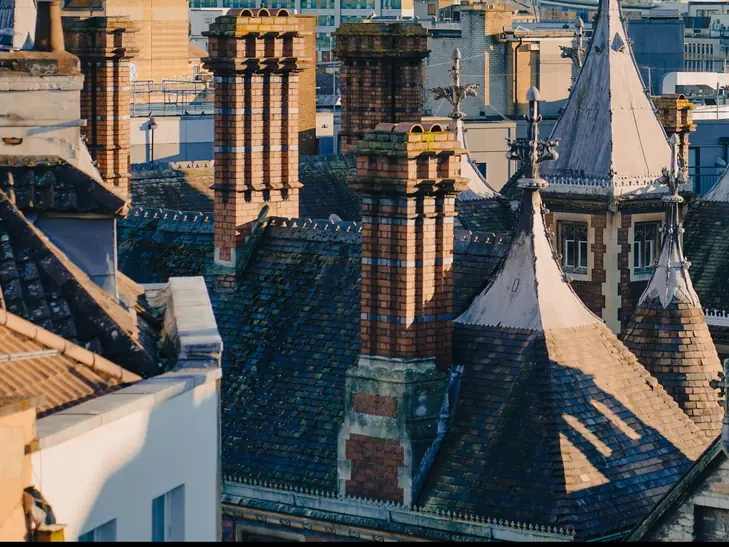
Chimney repair costs in Weymouth
Most of the cost of chimney work is access. A single stack on a two-storey house needs less scaffold than a tall shared stack in the middle of a terrace. Repointing and new flaunching are at the lower end; full rebuilds and removals cost more because of the labour and the roof work around them.
Chimney repair questions
Why is there a damp patch on my chimney breast?
Common causes are rain getting in through cracked flaunching or a failed flashing, an uncapped flue letting rain straight down, or condensation in a flue that's been sealed without ventilation. We can usually narrow it down at the survey.
Can you remove a chimney stack?
Yes. Removing a stack above the roofline is common when a flue is no longer used. Removing the chimney breast inside the house is a structural job that needs building control approval and proper support for anything above.
Do I need permission to repair a shared chimney?
Repairs to a shared stack generally benefit both houses, so it's sensible and courteous to speak to your neighbour first. Some work may fall under the Party Wall Act. We'll tell you what applies when we've looked at it.
Should I cap my unused chimney?
Usually yes, but with a ventilated cap rather than a sealed one. A flue needs a little airflow to stay dry. Capping it completely can trap moisture and cause damp on the chimney breast inside.
How often should a chimney be checked?
A visual check every few years is sensible, and after any severe storm. If you burn wood or coal, have the flue swept regularly as well, which also gives the sweep a chance to spot problems.
Do you work on listed buildings?
Yes. Listed building consent may be needed for changes to a listed chimney, including some repairs. Like-for-like repair in traditional materials is the usual approach, and we can advise on what Dorset Council's conservation team will expect.
Related: Lead work · Roof repairs · Roofing costs
What customers around Weymouth say
More than a thousand roofing jobs finished, and every review customers have left us is five stars.
Those reviews are on their way onto this page. Until they land, ask us for photos of recent jobs near you in Weymouth when we come out to quote - seeing a finished roof on a house like yours tells you more than any star rating.
Chimney repairs around Weymouth and Portland
Get your chimney looked at
We'll check every face of the stack, photograph it for you and give you a written price. Ring or send the form to arrange a visit.