
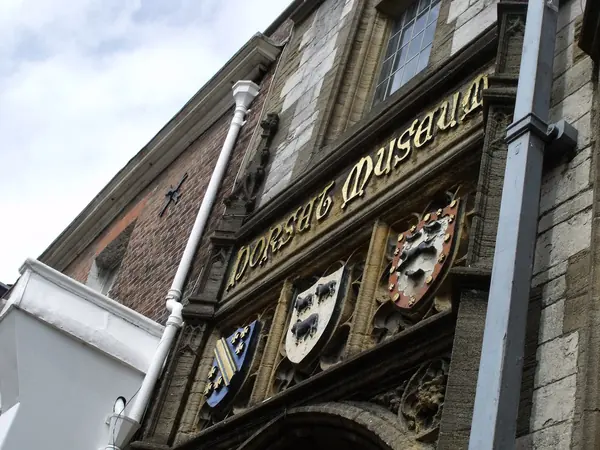
Dorset Museum & Art Gallery
Dorchester's county museum, founded in 1846 and housed since 1881 in a purpose-built neo-Gothic building on High West Street.
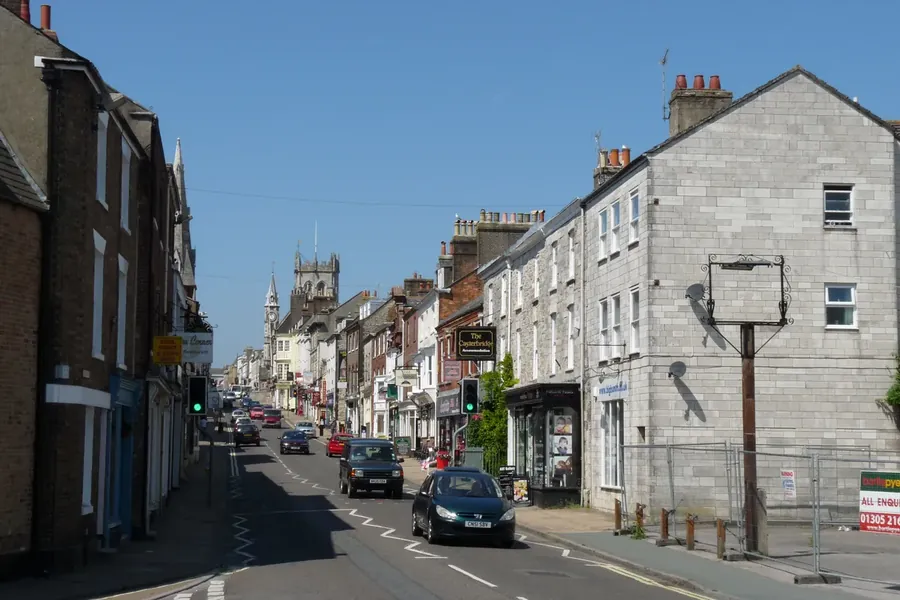
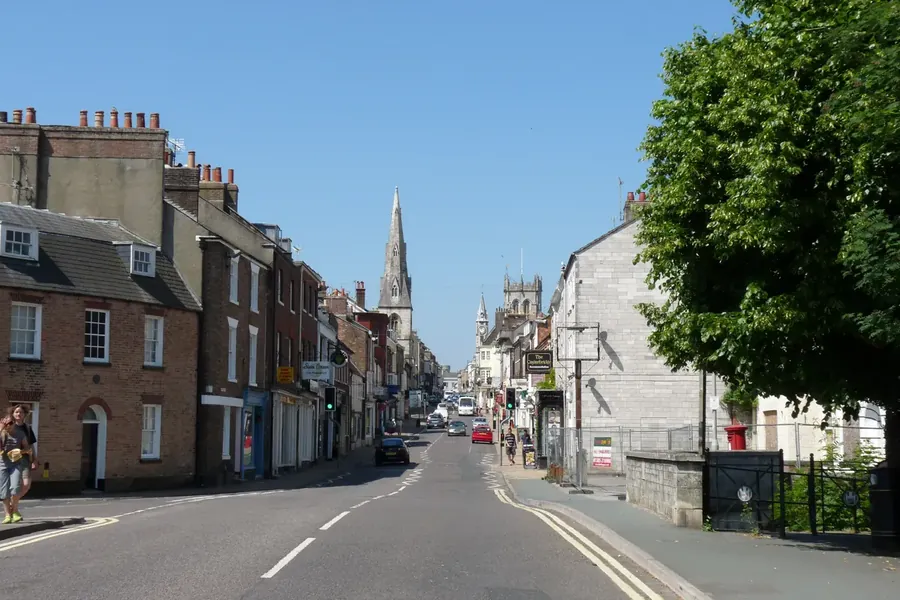
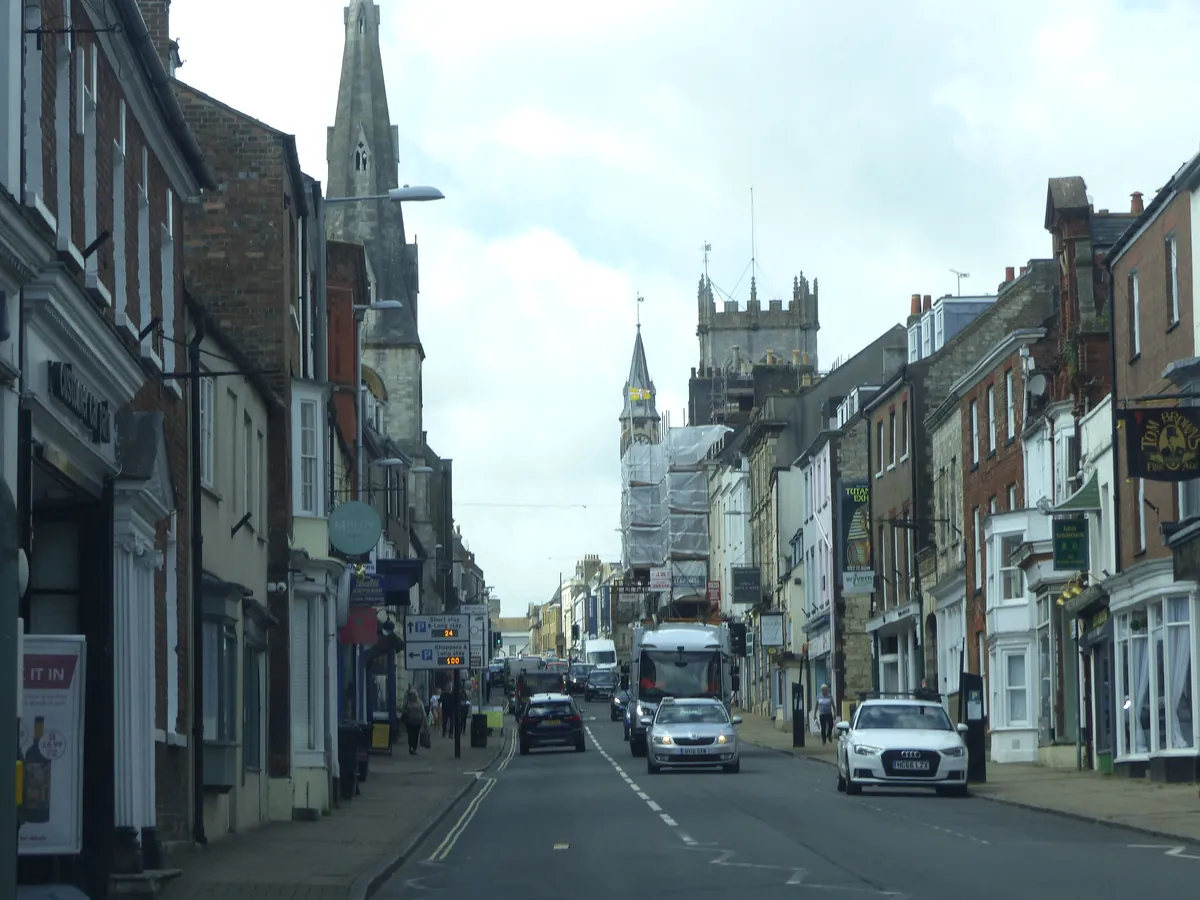
Learn more about Dorset Museum & Art Gallery on Google MapsOur roofers drive up to Dorchester over the Ridgeway most weeks, and the town keeps us on our toes. After the fire of 1613 burned out 300 houses, the centre was rebuilt in stages, and the result along High West Street is Portland stone frontages with roofs of stone slate, clay tile, slate and lead sitting behind them. Further out you've got the Victorian estates that only went up once the Duchy's land was enclosed in 1874, the old village of Fordington, and Poundbury, where the paperwork starts before the ladder goes up. We price every job after a free survey and put the figure in writing.
Tell us a little about the roof and we will call you back.
Dorchester didn't spread outwards gradually the way most market towns did. For centuries the Duchy of Cornwall owned the land around it, so the town stayed packed inside its old limits until enclosure in 1874. Then it went quickly: the Cornwall Estate from 1876, the Prince of Wales Estate from 1880 and Victoria Park from 1897. Fordington, once a separate village round St George's church, was folded in during 1900. Around 21,000 people now live in the parish, which also takes in Poundbury.
For a roofer that history means you can walk ten minutes and cross three centuries of roof. The Georgian centre has dormers and mansards, much of it in red and brown Broadmayne brick, with stone slates and lead mixed in among slate and clay tile. Glyde Path Road alone shows slate, clay tile and pantile side by side. The Victorian streets are mostly slate, and Poundbury uses slate alongside brick, stone and render. Each one wants a different fix, so we turn up knowing which we're likely to find.
1,000+
Roofing projects completed
5★
Every review we have is five stars
10 yrs
Guarantee on roof replacements
Free
Roof surveys and written quotes
Slipped slates on Victoria Park terraces, cracked clay tiles in Fordington and tired stone-slate courses in the old centre, traced back to whatever actually let the water in.
Learn more about roof repairs in Dorchester →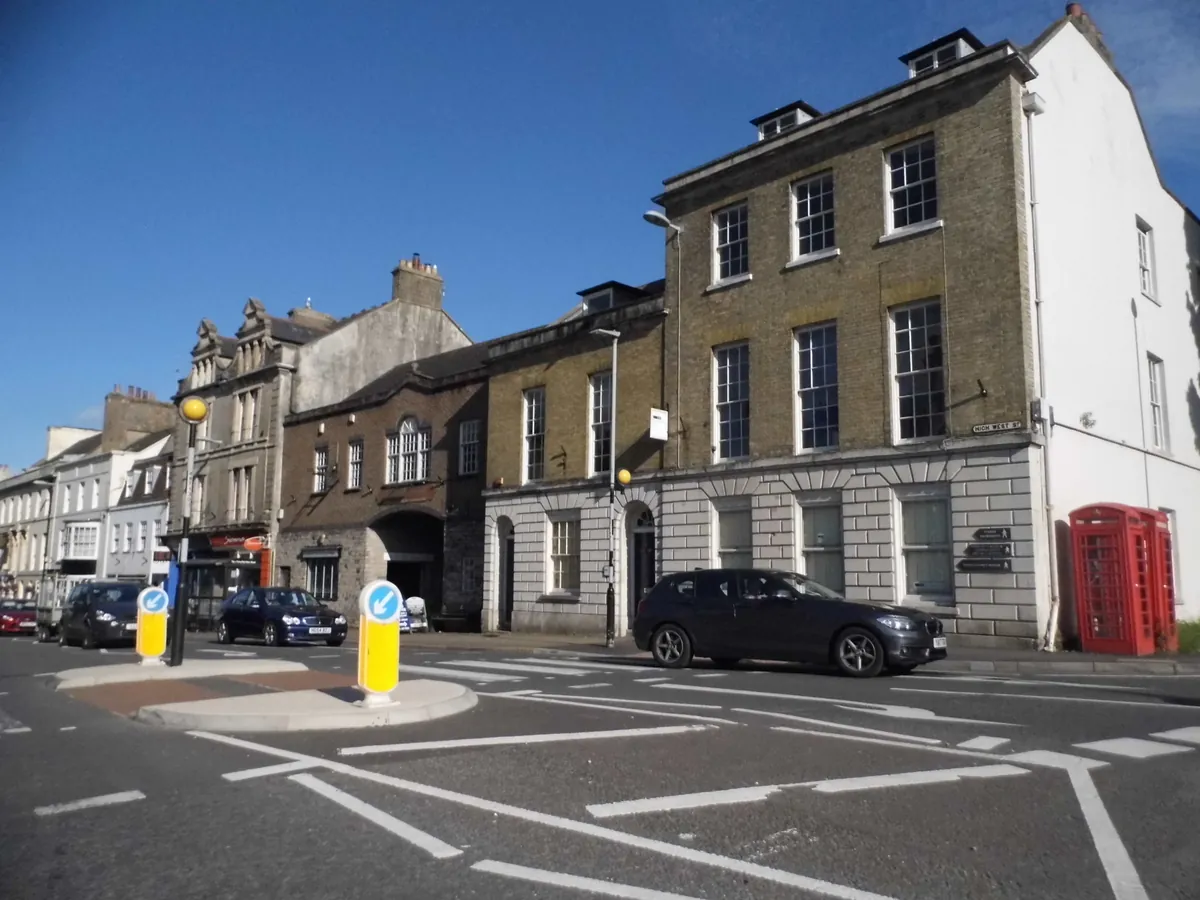
Full re-roofs for the 1870s-onwards estates and older town houses, with materials chosen to suit Dorchester Conservation Area and the street, and a 10 year guarantee as standard.
Learn more about roof replacement in Dorchester →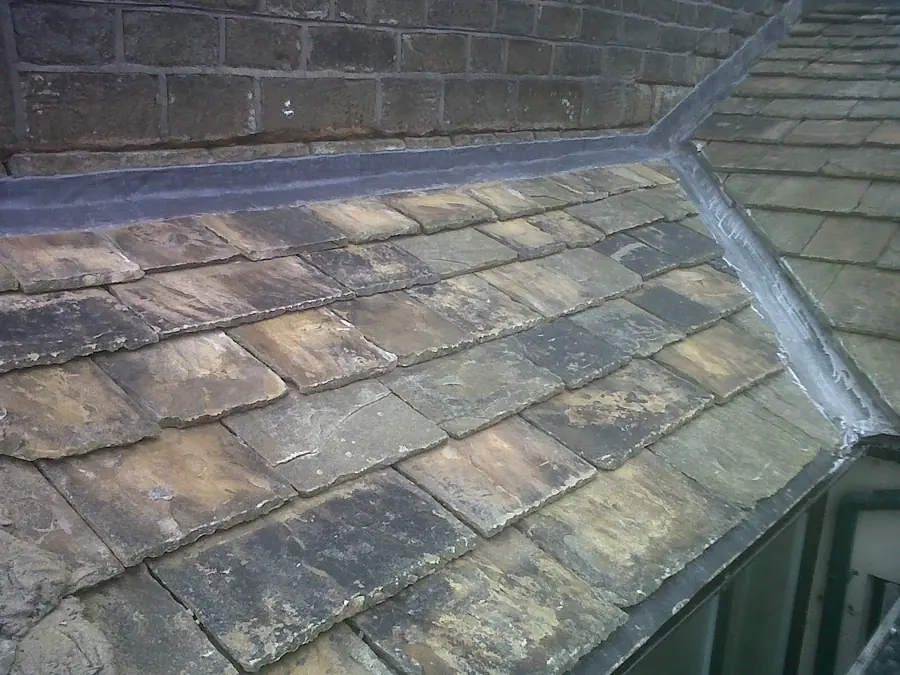
Georgian dormers, mansard kerbs, parapet gutters and chimney flashings around High West Street depend on lead. We dress and fix new lead properly rather than smearing sealant over splits.
Learn more about lead work in Dorchester →Dorchester sits inland and a little out of the worst coastal wind, but its roofs are older and more mixed than most. These are the things we plan every job here around.
Parts of the conservation area are roofed in heavy stone slates. A cracked one can't be swapped for a concrete tile without looking wrong for decades, so we source reclaimed stone of the right thickness and colour where we can.
Georgian mansards and dormers have more junctions than a plain pitched roof: kerbs, cheeks, aprons and soakers. Water usually gets in at one of those joins, which is why we inspect the lead before blaming the slates.
Houses on the Cornwall, Prince of Wales and Victoria Park estates went up from 1876 onwards. Where the original slate survives, the nails holding it have often rusted through, so slipping slates there are often a warning sign rather than bad luck.
In Poundbury any repair or work to the outside of a house needs the Duchy of Cornwall's permission before it starts. We give you a written specification to send with the request and only book the work once consent comes back.
Red and brown Broadmayne brick turns up across the town in chimneys and parapets. Old soft brick doesn't like hard cement repointing, so we match the mortar to the brick when we rebuild a stack or a parapet coping.
Plenty of central Dorchester houses front straight onto the pavement. So scaffold often has to stand there too, which we allow for in the programme so it doesn't hold the job up.
"When a Dorchester town house has a damp ceiling under a dormer, the slates are rarely the culprit. Nine times out of ten it's the lead cheek or apron that has split or crept."
When we replace a roof in Dorchester, the paperwork you're handed at the end will, on all but a handful of unusual jobs, include a 10 year guarantee on the work. If yours is one of the exceptions, you'll know at quote stage, not after. It names your address, says what was done and is dated the day we sign the roof off. It covers the installation itself, meaning the battens, membrane, fixings, the slates or tiles and the junctions where the roof meets walls and chimneys. If any of that lets water in through a fault in how it went on, we come back and fix it without charging you.
A guarantee that long only makes sense if the roof is built properly underneath, so it shapes the job from day one. Every slate or tile is mechanically fixed to the current British Standard rather than relying on its own weight, which matters on a stretch of coast where the wind arrives with nothing in its way. Breathable membrane goes on before the battens. Valleys, abutments and chimneys get proper lead or a tested dry-fix system, never a smear of mortar that cracks in its third winter.
Materials carry their own manufacturer cover on top, and that differs from product to product. Your paperwork says which one applies to your roof.
10
Year guarantee on roof replacements
1,000+
Roofing projects completed
The free survey covers the roof itself and how we'll reach it, because in the old centre that second question can matter as much. We photograph what we find and talk you through it on the day.
You get a quote that lists materials, labour, scaffold and any reclaimed slate or new lead separately. If the house is in Poundbury, the same document doubles as the specification the Duchy needs to see.
Where scaffold has to stand on the pavement we plan the layout around the footpath. For Poundbury homes nothing is booked until the Duchy has given permission in writing.
Old Dorchester roofs often hide earlier repairs. We strip back only as far as we need to, set aside sound slates or stone for reuse, and check battens, rafters and lead before deciding what stays.
Ridges and hips go back mechanically fixed, as BS 5534 now requires, and lead is cut and dressed to the right code and length. Where heritage materials are involved we reuse or match them.
Before the scaffold comes down we go over every junction again, check gutters run freely, and look at the underside of the roof where we can get into the loft.
Old slates, broken tile and offcuts leave with us, and the pavement is swept. You get photos of the finished work and a clear note of what was done.
Dorchester's county museum, founded in 1846 and housed since 1881 in a purpose-built neo-Gothic building on High West Street.
Learn more about Dorset Museum & Art Gallery on Google Maps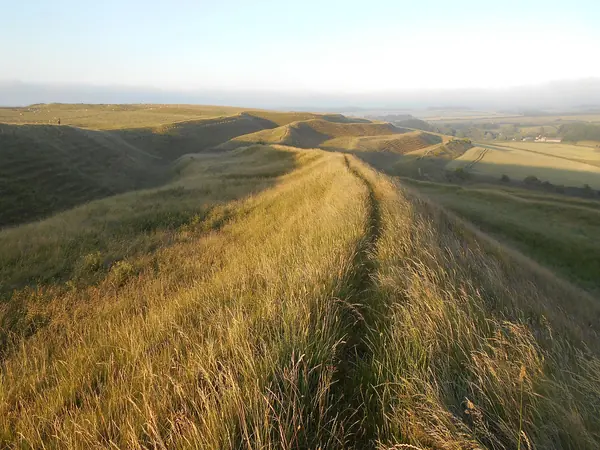
Iron Age hillfort about 1.6 miles south-west of Dorchester, built around 600 BC and one of the largest in Britain.
Learn more about Maiden Castle on Google Maps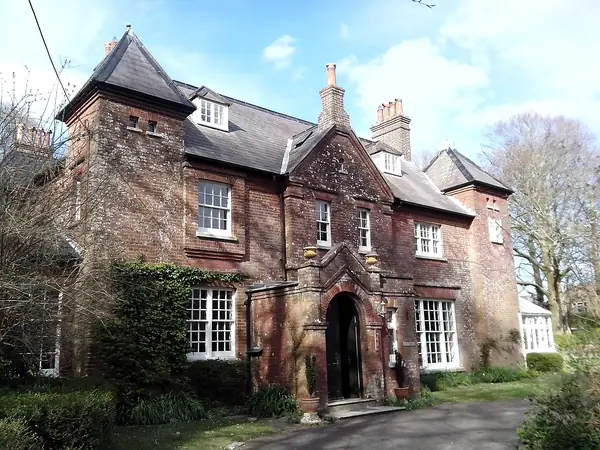
Thomas Hardy designed this house on the edge of Dorchester in 1885 and lived there until 1928; it is now run by the National Trust.
Learn more about Max Gate on Google MapsMore than a thousand roofing jobs finished, and every review customers have left us is five stars.
Those reviews are on their way onto this page. Until they land, ask us for photos of recent jobs near you in Dorchester when we come out to quote - seeing a finished roof on a house like yours tells you more than any star rating.
Access drives a lot of Dorchester prices. A Victoria Park semi with a drive is far cheaper to scaffold than a High West Street frontage where scaffold stands on the pavement. Materials are the other big swing: reclaimed stone slate and new lead cost more than modern slate, and mansards take longer to work on than plain pitches. Repairs usually fall between £150 and £1,500, and full re-roofs from £7,000 upwards.
Dorset Council is the planning authority. Like-for-like repairs and re-roofing in matching materials generally don't need planning permission, but the rules are tighter inside Dorchester Conservation Area, designated in 1970, and listed buildings need listed building consent for work that affects their character. The town's Article 4 direction only covers gates, fences and boundary walls, not roofs. Poundbury is different again: any external repair needs the Duchy of Cornwall's permission before work starts. Dorchester sits next to the Dorset National Landscape rather than inside it.
Usually, yes. We keep any sound stone slates we take off for reuse and look for reclaimed ones of a similar size, thickness and colour to make up the shortfall. Where nothing suitable can be found we'll tell you before the roof is opened, not halfway through.
About 20 minutes from our base in Weymouth, so Dorchester, Fordington and Poundbury are all well within our normal working area.
Generally less so. Dorchester is inland and doesn't take the full force of the wind off Weymouth Bay the way Portland does. Gales still reach it, though - during Storm Ciarán's wind and rain warnings Burton Road in the town was closed - and older roofs with rusted nails don't need much of a gust to lose a few slates.
Tell us what you've noticed, whether that's a stain under a dormer or a slate on the path, and we'll come up from Weymouth, look properly and give you a written price.