
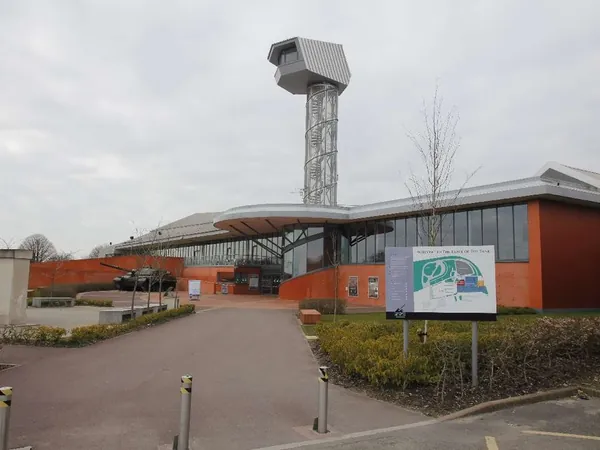
The Tank Museum
Collection of almost 300 armoured vehicles at Bovington Camp, about a mile north of Wool, including the only working Tiger I.
Learn more about The Tank Museum on Google MapsWe're roofers based in Weymouth, and Wool is about half an hour up the road for us, with Bovington Camp a few minutes further on. The parish has a bit over five thousand people and a housing mix to match: old cottages around Spring Street and the church, then a good spread of later twentieth and twenty-first century homes. Sitting inland in the Frome valley, Wool misses the worst of the salt spray that hits Weymouth, but it doesn't miss the wind or the leaves. Most of our calls here are for slipped tiles, tired chimneys and gutters choked with whatever the trees dropped last autumn.
Tell us a little about the roof and we will call you back.
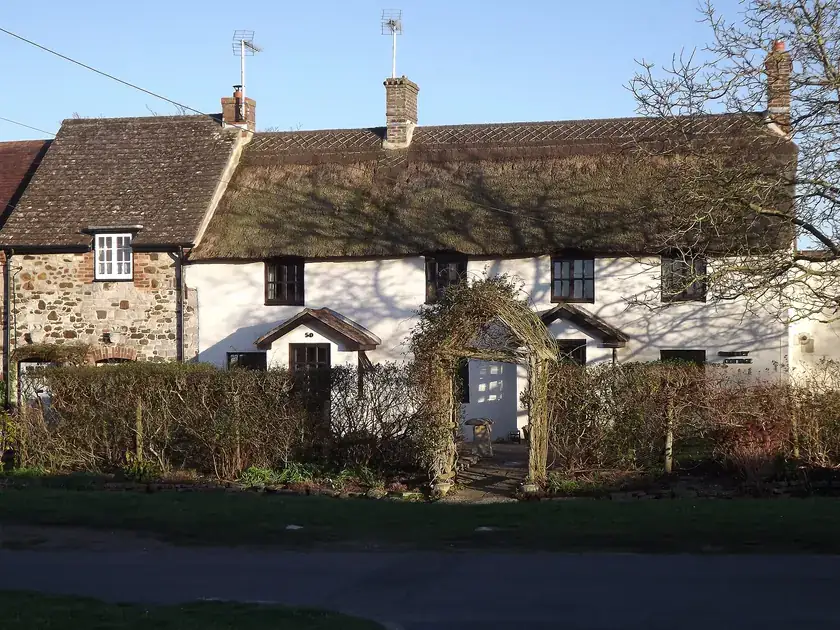
Down at Woolbridge an old packhorse-style bridge, listed Grade II*, crosses the River Frome beside Woolbridge Manor. The manor dates from the seventeenth century, and Hardy readers will know it from Tess of the d'Urbervilles. Up in the village the medieval Holy Rood church anchors the older streets, and Spring Street keeps a run of thatched cottages. Dorset Council made the old core a conservation area back in 1975, so the village looks much as it has for a long time.
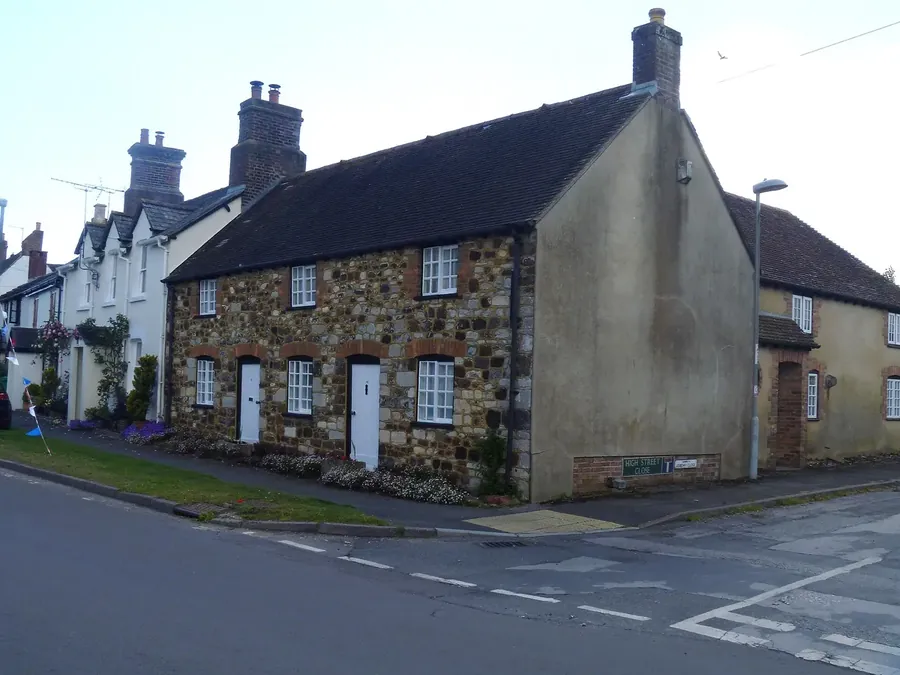
Bovington is a different sort of place. It began in 1899 as an infantry training area, became home to the Tank Corps during the First World War and is now known for The Armour Centre and The Tank Museum. Between the camp and the village you get a broad mix of buildings, from older cottages to plenty of later houses with concrete tile or slate roofs. We should be plain about one thing: we don't thatch. Where we're useful in Wool is on the slate and tile houses, their chimneys, flat-roofed extensions and the gutters underneath.
1,000+
Roofing projects completed
5★
Every review we have is five stars
10 yrs
Guarantee on roof replacements
Free
Roof surveys and written quotes
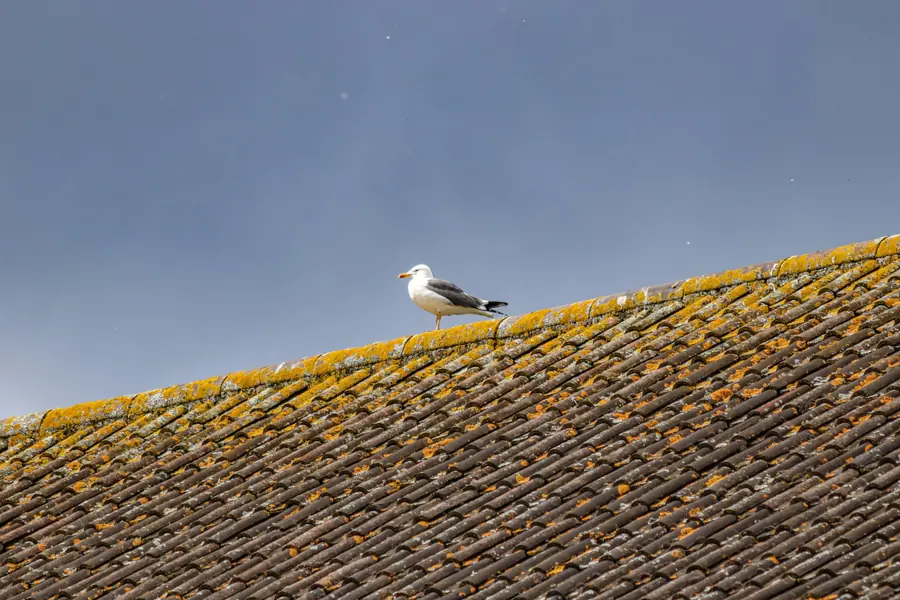
Slipped tiles, cracked slates and leaks around chimneys on houses from Spring Street out to Bovington. We find where the water actually gets in before we quote.
Learn more about roof repairs in Wool →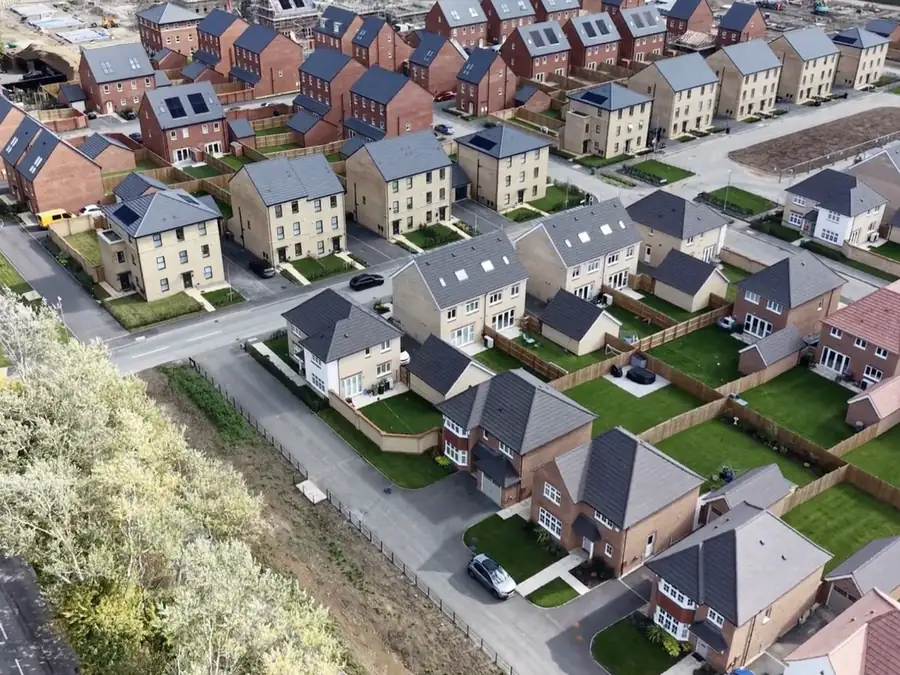
New slate or tile roofs for Wool homes that are past patching, fixed to current wind standards and built properly from the battens up.
Learn more about roof replacement in Wool →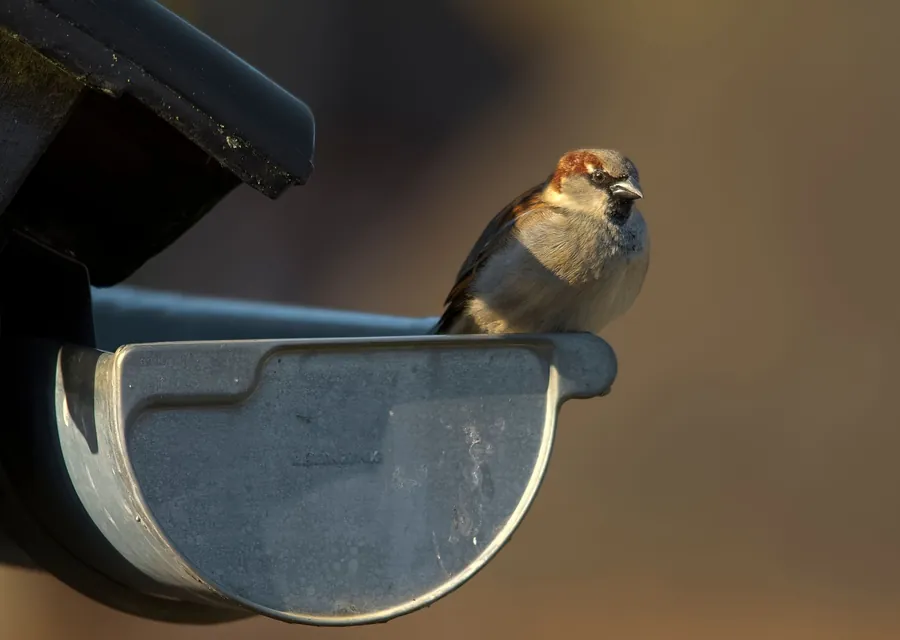
Trees and heathland around Wool shed a lot into gutters. We clear, repair or replace gutters and tired timber fascias before overflow starts staining walls.
Learn more about guttering, fascias & soffits in Wool →Wool isn't on the seafront, so the problems here aren't quite the Weymouth ones. These are the things we keep finding on roofs between the village and the camp.
The Frome valley is fairly open between Dorchester and Wareham, and a south-westerly gale doesn't lose much on the way. Loose ridges and old verges are usually the first casualties, so we fix them mechanically rather than trusting mortar.
With woodland and heath on several sides, gutters and valleys around Wool fill up faster than you'd expect. Blocked outlets push water back under the bottom course of tiles, which is where a lot of rotten fascias start.
The Met Office station at Swanage, the nearest listed for this area, averages around 850mm a year against roughly 1,160mm nationally. Drier, yes, but most of it arrives in the windy months, so how the roof sheds water still matters.
Wool Conservation Area covers the old village. Like-for-like repairs are normally fine, but changing materials or the look of a roof there deserves a conversation first, and we'll tell you when Dorset Council should be asked.
Older cottages and later homes sit close together here. An old slate roof on a cottage and a concrete tile roof from recent decades fail in different ways, and we price and repair each on its own terms.
Some neighbours on Spring Street have thatched roofs, which we don't work on. Where a slate or tile roof meets a thatched one, or shares a chimney, we take care with access and leave the thatch to a thatcher.
"A lot of the leaks we're called to in Wool turn out to start at a blocked gutter or a choked valley rather than a broken tile."
When we replace a roof in Wool, the paperwork you're handed at the end will, on all but a handful of unusual jobs, include a 10 year guarantee on the work. If yours is one of the exceptions, you'll know at quote stage, not after. It names your address, says what was done and is dated the day we sign the roof off. It covers the installation itself, meaning the battens, membrane, fixings, the slates or tiles and the junctions where the roof meets walls and chimneys. If any of that lets water in through a fault in how it went on, we come back and fix it without charging you.
A guarantee that long only makes sense if the roof is built properly underneath, so it shapes the job from day one. Every slate or tile is mechanically fixed to the current British Standard rather than relying on its own weight, which matters on a stretch of coast where the wind arrives with nothing in its way. Breathable membrane goes on before the battens. Valleys, abutments and chimneys get proper lead or a tested dry-fix system, never a smear of mortar that cracks in its third winter.
Materials carry their own manufacturer cover on top, and that differs from product to product. Your paperwork says which one applies to your roof.
10
Year guarantee on roof replacements
1,000+
Roofing projects completed
Free survey, at a time that suits you. We check the roof from the ground, from a ladder where it's safe and from the loft, and we photograph anything we think needs doing.
You get a written quote listing the work, the materials and any scaffold, with VAT shown. If a smaller job will do, the quote says so rather than selling you a bigger one.
Most Wool jobs use scaffold on private land. Where a house fronts the pavement, we plan the scaffold around the A352 traffic and the level crossing.
We take off the damaged slates, tiles or flashings and look at what's underneath: battens, felt, rafters. If the hidden part is worse than expected, we stop and show you photos first.
Replacement slates and tiles are matched as closely as we can and fixed with nails, clips or hooks. Ridges and hips go back with mechanical fixings, as BS 5534 now expects.
Before the scaffold comes down we go over the roof again, run water through the gutters and downpipes, and look inside the loft for any daylight that shouldn't be there.
Old materials leave with us, the garden and drive get swept, and you get photos of the finished roof. If you're out at work, we'll email them over.
Collection of almost 300 armoured vehicles at Bovington Camp, about a mile north of Wool, including the only working Tiger I.
Learn more about The Tank Museum on Google Maps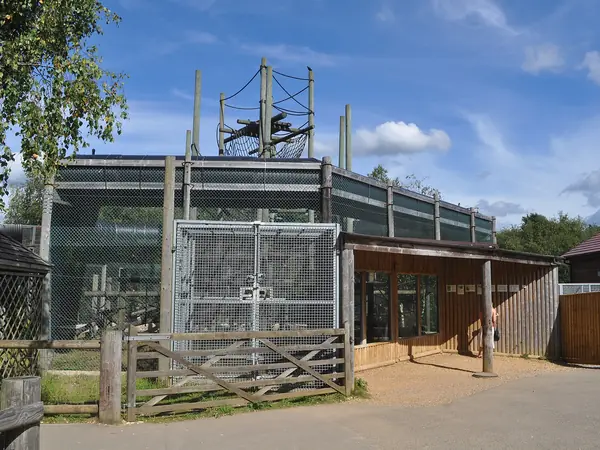
65-acre ape and monkey rescue centre near Wool.
Learn more about Monkey World on Google Maps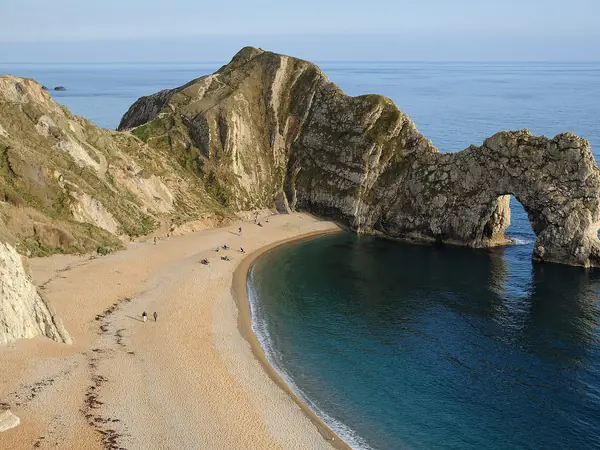
Natural limestone arch on the Jurassic Coast near Lulworth, owned by the Lulworth Estate and open to the public.
Learn more about Durdle Door on Google MapsMore than a thousand roofing jobs finished, and every review customers have left us is five stars.
Those reviews are on their way onto this page. Until they land, ask us for photos of recent jobs near you in Wool when we come out to quote - seeing a finished roof on a house like yours tells you more than any star rating.
Prices in Wool depend mostly on access and on what the roof is made of. A bungalow with a clear drive costs less to scaffold than a cottage hard against the pavement, where the scaffold has to stand on the footpath. Natural slate costs more than concrete tile, and matching old slates in the conservation area can take longer. Being half an hour from our base adds very little; the roof itself sets the price.
Dorset Council is the planning authority. Wool's old core has been a conservation area since 1975, and inside it you should talk to the council before changing roof materials or appearance. Like-for-like repairs and re-roofing in similar materials normally don't need permission. We haven't found any Article 4 direction controlling house roofs in Wool, but listed buildings, such as the bridge at Woolbridge, need listed building consent for work that affects their character.
Yes. It's around half an hour from Weymouth to Wool and a little more to Bovington Camp, which is well within our normal patch. We'll still do a proper survey even if the job turns out to be a couple of tiles.
No, we don't do thatch, and we'd rather say so than take the job on. We can help with the parts of a thatched house that aren't thatch, such as a lead flashing on a chimney, and with slate or tile roofs next door. For the thatch itself you need a specialist thatcher.
Once a year is the usual rule, best done late in autumn after the leaves are down. Houses close to pine trees or woodland around Wool and Bovington often benefit from a second clear in spring, because needles keep dropping well after the leaves have gone.
Tell us what you've spotted, whether that's a slipped tile, a damp patch upstairs or a gutter spilling over, and we'll arrange a free survey and give you a written price.