
5 October 2026
How Much Does A New Roof Cost In Weymouth?
Real 2026 price ranges for a new roof in Weymouth, by house type and material, plus the hidden costs that make two quotes thousands of pounds apart.
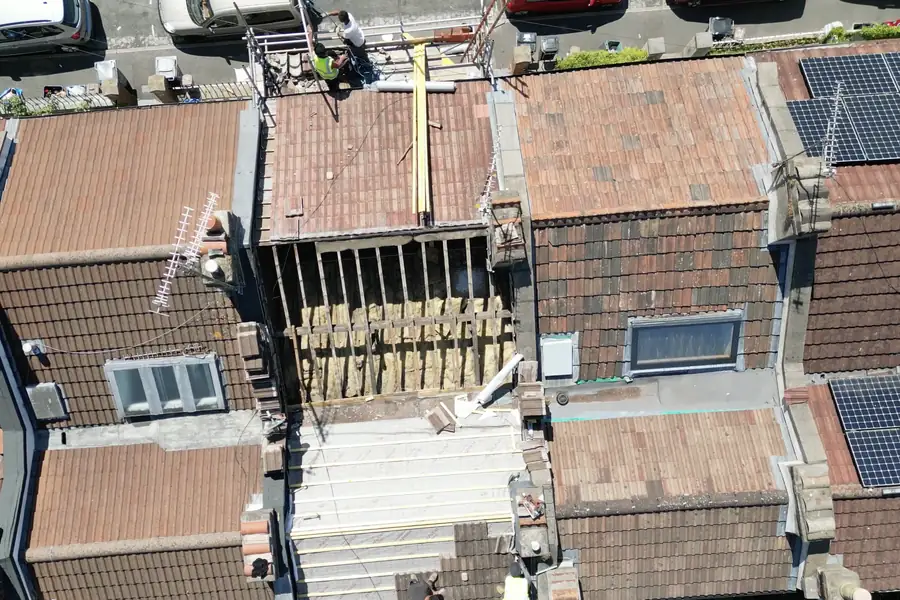
Most people in Weymouth who ask what a new roof costs are hoping for one number. The honest answer is a range, and on a typical terrace or semi in the town it runs from about £7,000 to £17,000, with big detached houses going past £20,000. That’s a wide spread, so this guide breaks it down by house type and material, and then goes through the costs that hide inside a quote. It matters here more than in many places. The Met Office station on Portland records an average wind speed roughly 54% above the UK mean, and Storm Eunice pushed a 90mph gust across the island in February 2022. A cheap roof that cuts corners on fixings gets found out quickly on this coast. We’ve priced and built a lot of roofs across Weymouth, Portland and the towns around them, and the figures below are what we actually see.
What a new roof costs in Weymouth, by house type
The size and shape of the house matter more than anything else. A simple gable roof on a small terrace is the cheapest thing a roofer can cover. Add hips, a valley, a couple of chimneys or a dormer and the labour climbs quickly, because every junction needs lead or a dry system fitted by hand.
These are typical all-in ranges including scaffold, skip and VAT:
- Two-up two-down terrace, concrete tile: £7,000 to £10,000
- Three-bed semi, concrete or clay tile: £9,000 to £14,000
- Three-bed semi, natural slate: £11,000 to £17,000
- Detached house with hips and dormers: £15,000 to £25,000 and up
If you want the detail behind any of these, our roof replacement page explains how we build a new roof from the rafters up.
Why three-storey houses cost more
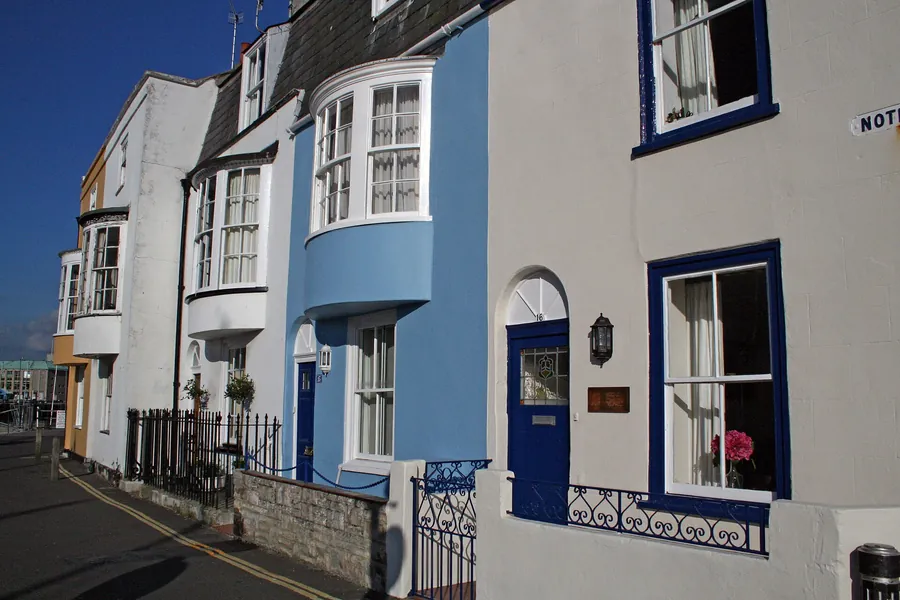
Weymouth has a lot of tall houses. The Georgian terraces along the Esplanade and the Victorian streets behind them often run to three storeys, and some have slate mansard roofs with a valley down the middle. Scaffold for a building that height costs far more than for a bungalow, and mansards take longer to slate. Expect the top of the range, or beyond it, for that kind of building.
Slate, clay or concrete: how material changes the price
The covering itself is usually somewhere between a fifth and a third of the total. It’s not the biggest cost, but it’s the one that shapes how long the roof lasts.
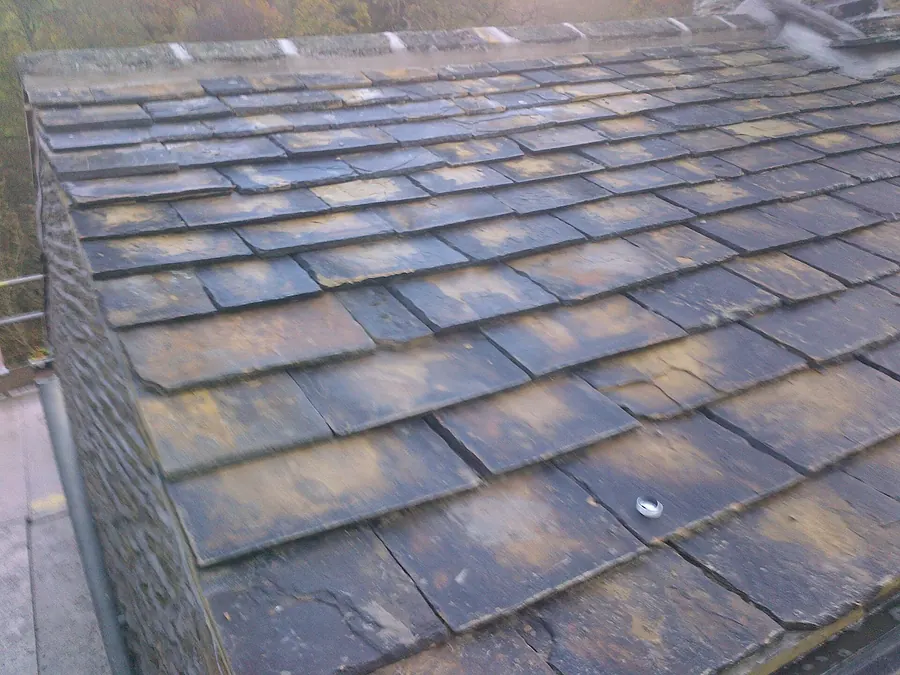
Concrete interlocking tiles are the cheapest to buy and the quickest to lay. They suit the postwar estates around Southill and Littlemoor, and most of them have them already. Clay plain tiles cost more and are slower to fix because they’re small and double-lapped. Natural slate is the most expensive per square metre, but good slate can last 75 years or more, and on older streets it’s often the right answer anyway.
Trade sources give rough lifespans of 35 to 60 years for concrete tile, 60 to 100 years for clay and 75 to 150 years for natural slate. Treat those as guides rather than promises, because the fixings and underlay matter as much as the tile.
Reclaimed and stone slates
On some older Portland and Purbeck buildings you’ll find heavy stone slates. They’re a specialist material and priced accordingly. Reclaimed Welsh slate for matching an old roof can cost less or more than new depending on what’s available at the time.
The costs hiding inside a roofing quote
This is where two quotes for the same house end up thousands apart. Very often the cheaper one has simply left something out.
Scaffolding
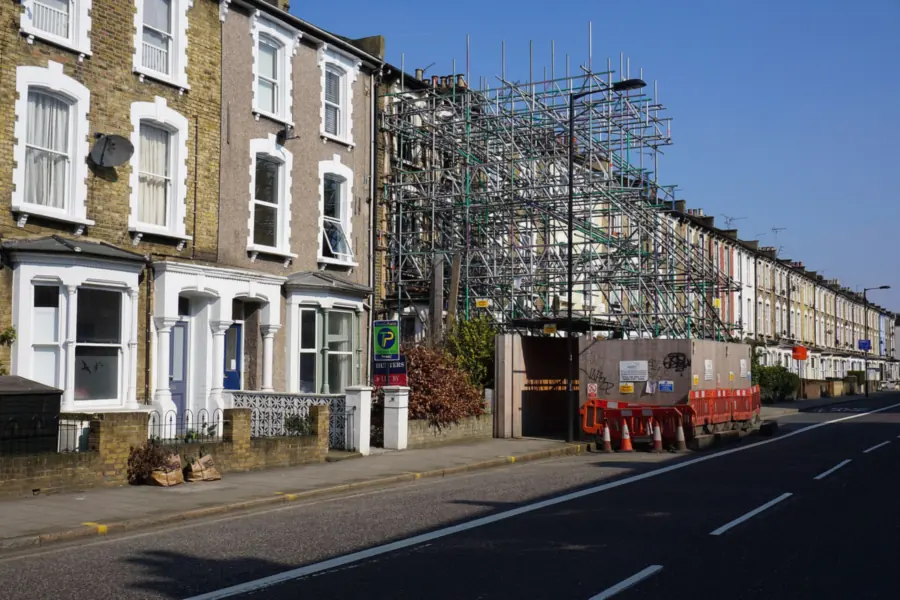
On a full re-roof, scaffold is often the biggest single item after labour. If it has to stand on a public pavement, expect extra protection for passers-by to add to the cost. Ask whether scaffold is included and for how many weeks.
Underlay, battens and fixings
A proper re-roof uses a breathable membrane, new treated battens and a mechanical fixing for every tile. BS 5534, the code of practice for slating and tiling, was revised in 2014 so that single-lap tiles must all be mechanically fixed and ridges and hips can no longer rely on mortar alone. The Roof Tile Association’s summary of the BS 5534 changes called it the biggest shift in roofing standards for a generation. A quote that doesn’t mention fixings may not be including them.
Timber repairs
Nobody can see the rafters until the old roof is off. A fair quote gives either an allowance or a rate per metre for replacing rotten battens or timbers, so a surprise doesn’t become an open-ended bill.
Waste and VAT
Skips and tipping for an old roof are a real cost. Most roofing work on existing homes is charged at the standard rate of VAT, so check every quote shows it.
Building regulations and insulation
Re-roofing has to meet the Building Regulations. The part that catches people out is insulation. Under Approved Document L, if more than half of a roof is renovated, the whole roof should be brought up to the current insulation standard where it’s technically and economically practical.
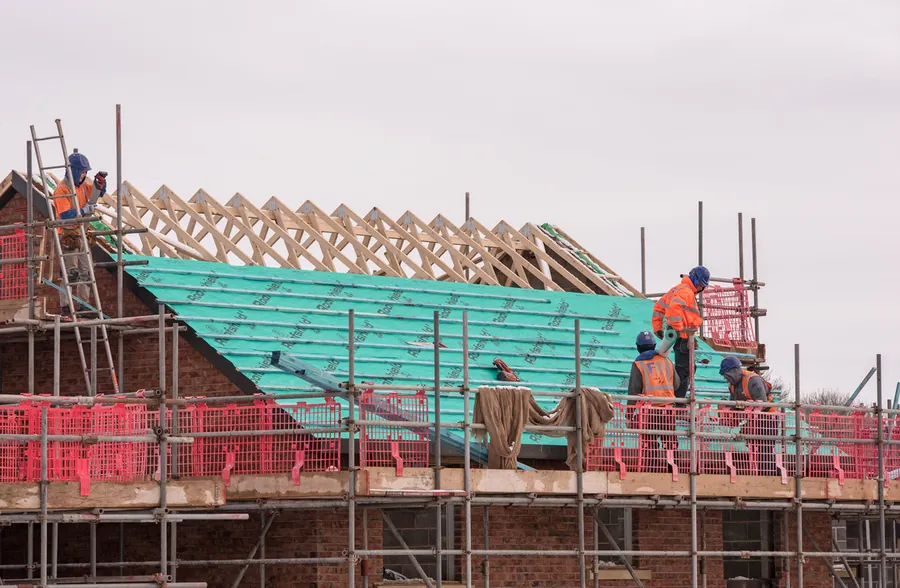
In practice, that might mean extra insulation at rafter level or improving what’s on the loft floor, plus ventilation so condensation doesn’t build up. It adds a little to the cost and pays you back in heating bills. The government publishes Approved Document L on GOV.UK if you want to read the detail. A good roofer handles building control for you and tells you what certificate you’ll get at the end.
Conservation areas and listed buildings
Weymouth has eleven conservation areas, including the Town Centre area covering Melcombe Regis, the Esplanade and the harbour, plus Rodwell’s Lansdowne Square, Belle Vue Road and Connaught Road. Many of the seafront terraces are listed.
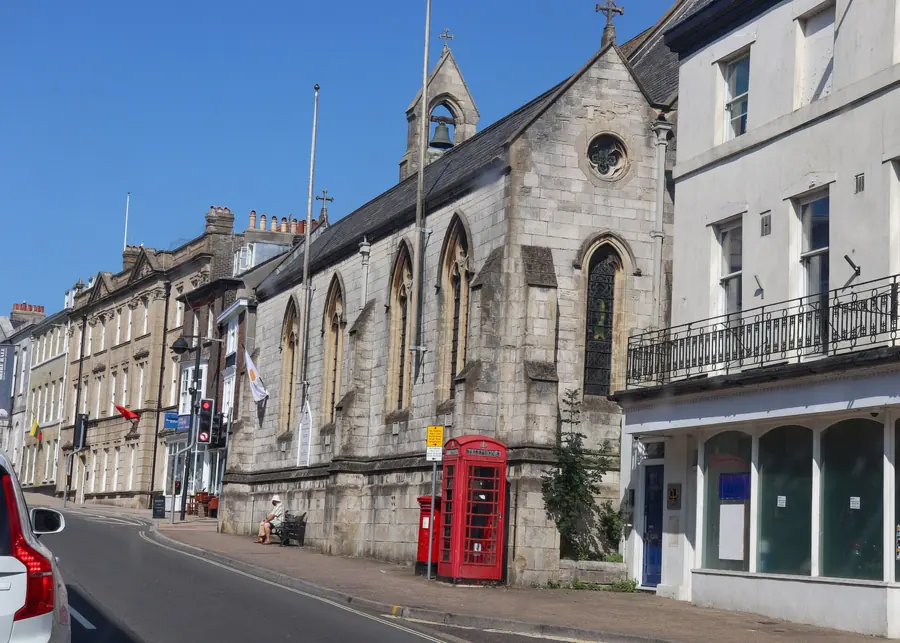
Replacing a roof like-for-like usually doesn’t need planning permission. Changing the material or appearance in a conservation area, or doing almost anything to a listed building, can. Natural slate may be expected where concrete tile would be refused, and that changes the budget. If you’re not sure whether your house is affected, check with Dorset Council before you commit. We wrote more about this in our guide to planning permission for roof work in Weymouth and Portland.
How to compare quotes and avoid nasty surprises
Get two or three quotes, and line them up item by item rather than just reading the total at the bottom.
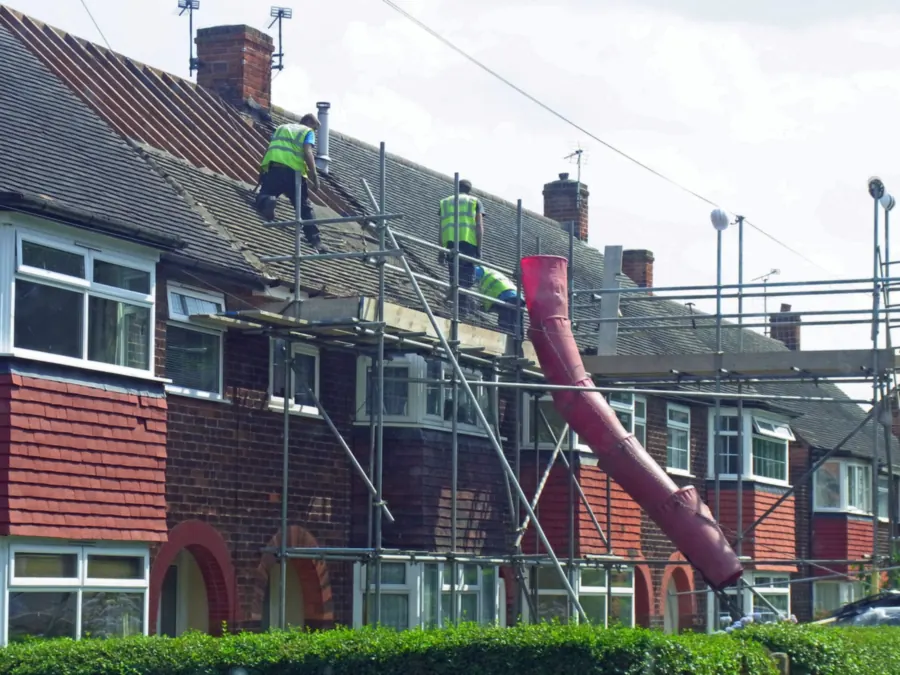
Check each one names the tile or slate, the membrane, the batten size and the fixing method. Check scaffold, skip, leadwork and VAT are all there. Ask how unexpected timber repairs will be priced. And ask to see the guarantee in writing before you sign. On our roof replacements, a 10 year guarantee comes as standard, handed over as a signed document with the completion photos.
The cheapest quote is fine if it’s describing the same roof as the others. Very often it isn’t.
Frequently asked questions
How much does a new roof cost on a terraced house in Weymouth?
A typical two-up two-down terrace re-roofed in concrete tile usually costs between £7,000 and £10,000 including scaffold, waste and VAT. Natural slate pushes that higher, and a three-storey Georgian terrace near the seafront costs considerably more because of the scaffold.
Is natural slate worth the extra cost?
On older Weymouth streets it often is. Good natural slate can last well over 75 years against 35 to 60 for concrete tile, it is lighter on the timbers, and in a conservation area it may be what Dorset Council expects to see anyway.
How long does it take to replace a roof in Weymouth?
Most terraces and semis take one to two weeks once the scaffold is up. Winter gales can add days, because a stripped roof should never be left exposed in high winds.
Do I need to tell building control about a new roof?
Re-roofing has to meet the Building Regulations. Where more than half of the roof is renovated, Part L expects the insulation to be improved to the current standard where that is practical. A reputable roofer deals with this as part of the job.
Want a roofer to take a look?
Free surveys and fixed written quotes across Weymouth, Portland and nearby towns.