
5 October 2026
Do You Need Planning Permission For Roof Work In Weymouth And Portland?
When roof repairs and re-roofing need planning permission in Weymouth, Portland and nearby Dorset towns - conservation areas, listed buildings, Article 4 and Poundbury.
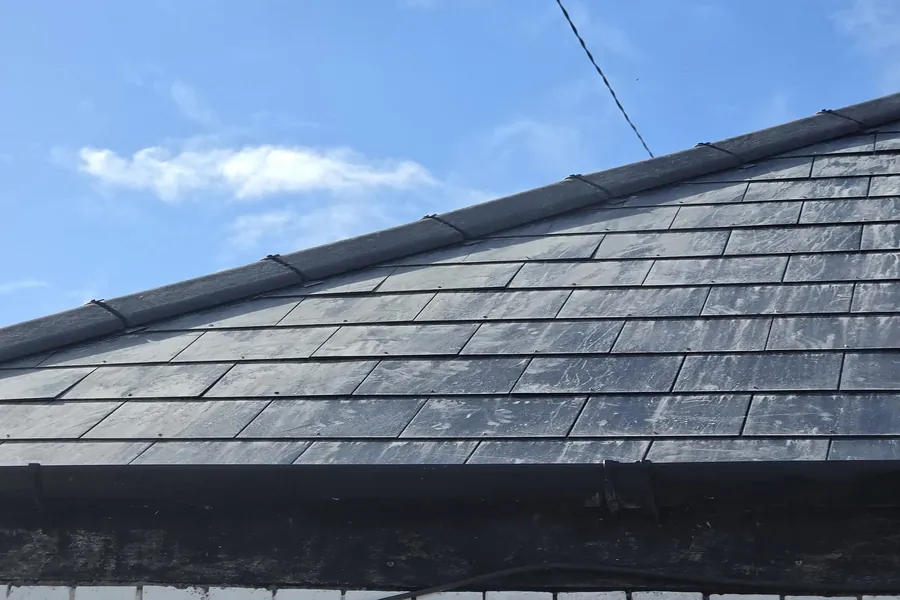
Most roof work in Weymouth doesn’t need planning permission. Replace a few slates, re-bed a ridge or even strip and re-cover the whole roof in matching materials, and the council usually has no interest. But this corner of Dorset has more exceptions than most. Weymouth alone has eleven conservation areas, Portland has four, the Georgian seafront is lined with listed terraces, Swanage and Wareham have Article 4 directions, and in Poundbury even a repair needs the Duchy of Cornwall’s say-so. Since April 2019 every one of these places has answered to a single planning authority, Dorset Council, which at least makes it easier to know who to ask. Here’s how to work out where your roof stands before the scaffold goes up.
The basic rule: like-for-like usually doesn’t need permission
Under permitted development rules, most repairs and re-roofing that don’t materially change the look of a house can go ahead without a planning application.
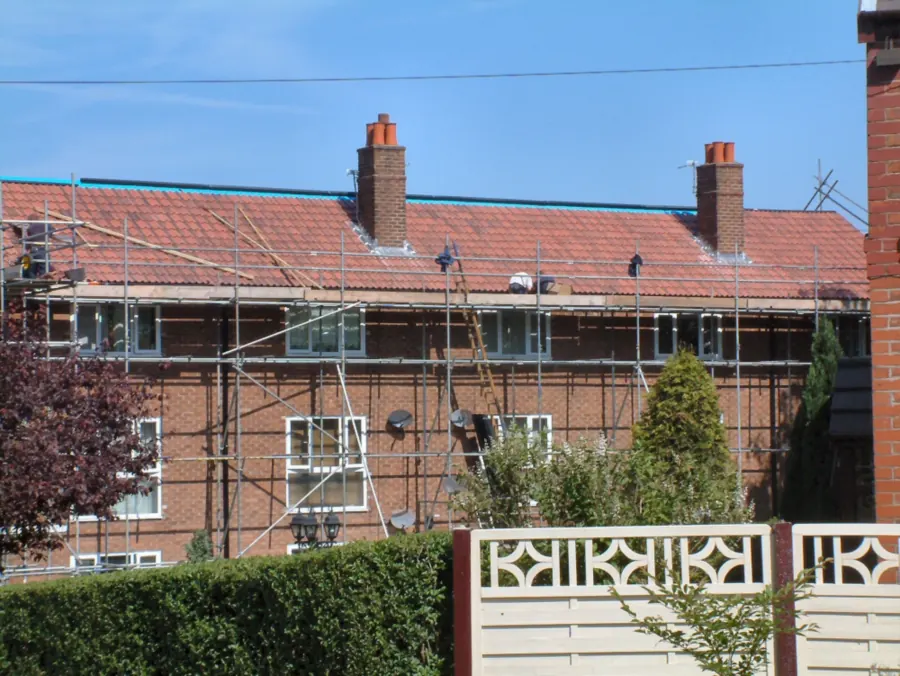
That covers the bulk of what we do: replacing broken slates, renewing a valley, re-roofing in the same type and colour of tile. The Planning Portal’s guide to roof projects sets out the national position, and it’s a sensible first read. Changing from slate to concrete tile, raising the roof, adding dormers or putting in roof lights on a front slope can be a different matter. For the services involved, see our roof replacement page.
Planning permission and building regulations are different things
People often mix these up. Planning is about how the house looks and its effect on neighbours. Building regulations are about how it’s built. A like-for-like re-roof may need no planning permission at all, yet still has to meet the Building Regulations, including the insulation requirements that apply when more than half of a roof is renovated.
Conservation areas in Weymouth and Portland
A conservation area restricts some permitted development rights, and changes to the look of a roof are among the first things the council will care about.
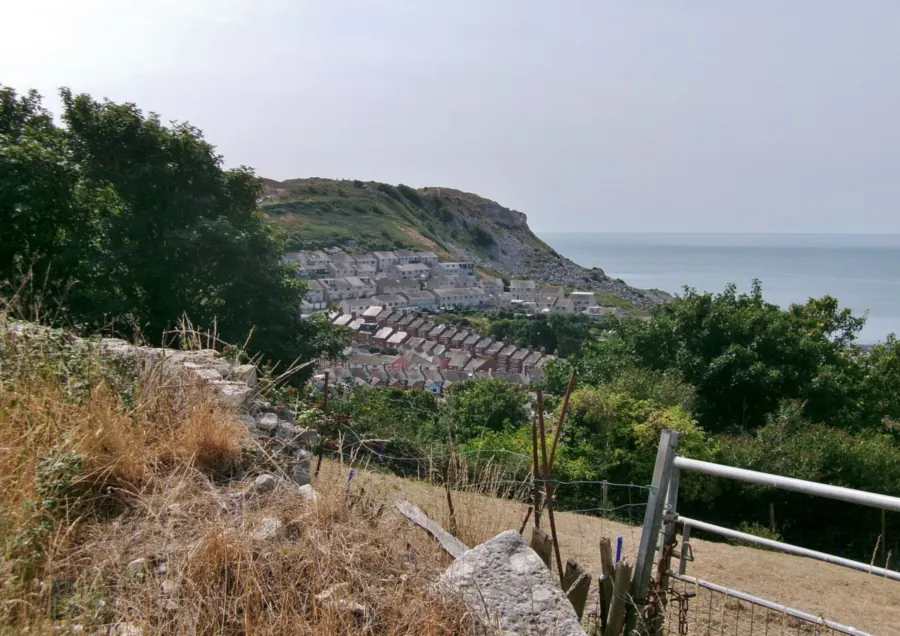
Dorset Council’s records list eleven conservation areas in Weymouth, including the Town Centre area that covers Melcombe Regis, the Esplanade and the old harbour, Lansdowne Square, Belle Vue Road and Connaught Road around Rodwell, and the old village cores of Radipole, Wyke Regis, Upwey, Broadwey and Sutton Poyntz. You can check boundaries on the government’s planning data map of conservation areas.
On Portland there are four: Underhill (Chiswell, Fortuneswell and Castletown), Grove, Portland itself (Easton, Wakeham and Reforne), and Weston. Southwell is the one village outside them. Portland also has its own neighbourhood plan, adopted in 2021.
What that means for your roof
In practice, repairs in matching materials are almost always fine. Swapping natural slate for concrete tile, changing the roofline or removing a prominent chimney is where a conversation with the council comes in.
Listed buildings: the Esplanade and beyond
Listed building consent is stricter than planning permission, and it covers the inside as well as the outside.
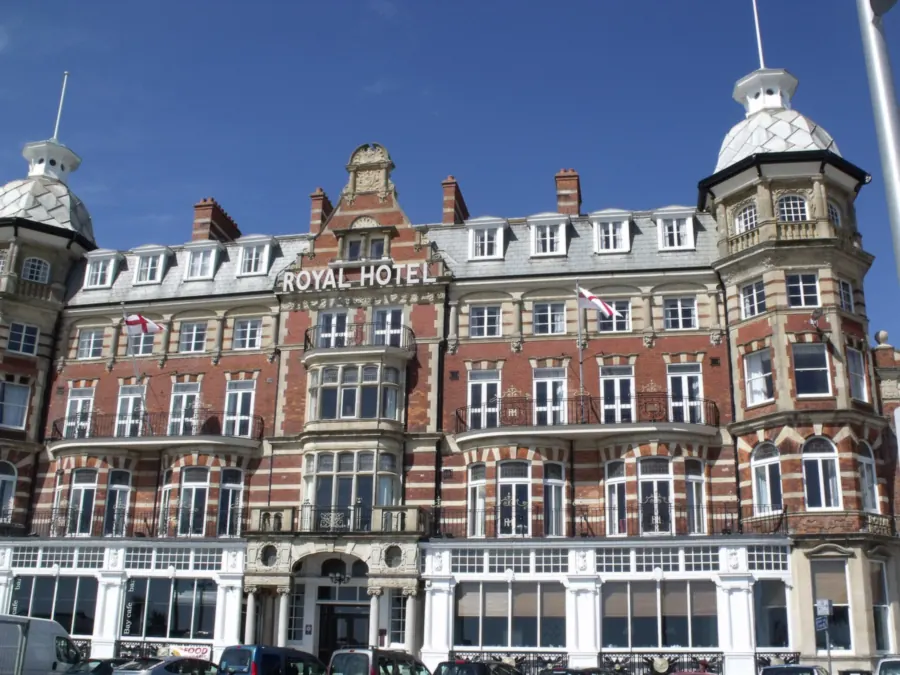
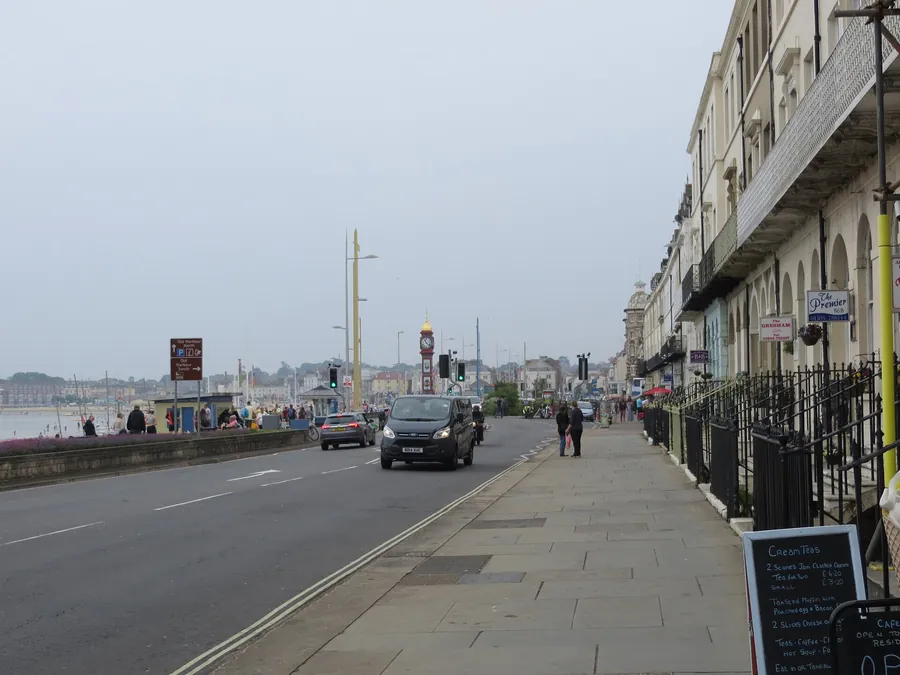
Weymouth’s seafront is full of listed buildings. Devonshire Buildings and Pulteney Buildings on the Esplanade are Grade II*, with slate mansard roofs and, at Pulteney Buildings, a double mansard with a central valley. Royal Crescent and Belvidere are Grade II. Around the old harbour heritage trail alone there are 69 listed buildings.
If your home is listed, works that affect its character need consent, and that can include some repairs if they change materials or details. Like-for-like repair in traditional materials (Welsh slate, lime mortar, rolled lead) is the usual approach, and a roofer who works on older buildings should be comfortable with it.
Roof lights, dormers and other changes
Re-covering a roof is one thing. Changing its shape or adding to it is where planning rules start to bite, and the Weymouth area’s designations make that more likely.
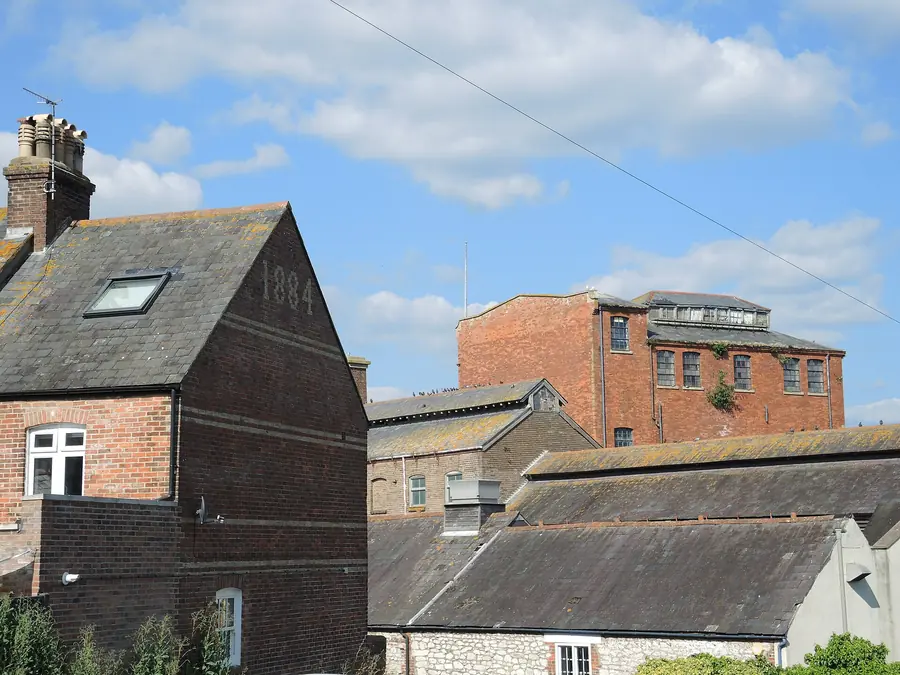
Roof lights are often allowed without permission on an ordinary house, provided they don’t stick out more than 150mm from the roof slope and don’t rise above the ridge. Dormers are different. Outside protected areas, a modest rear dormer can sometimes go ahead under permitted development, but in a conservation area those rights don’t apply, so a new dormer there needs a planning application. On a listed building, both need consent.
Removing a chimney stack, changing the colour of the roof or swapping cast-iron gutters for plastic on a prominent elevation can also draw the council’s attention in sensitive streets. None of this means the answer will be no. It means asking first, and leaving time for the answer.
Article 4 directions in Swanage, Wareham and Dorchester
An Article 4 direction removes particular permitted development rights in a defined area. They’re worth knowing about because they’re easy to miss.
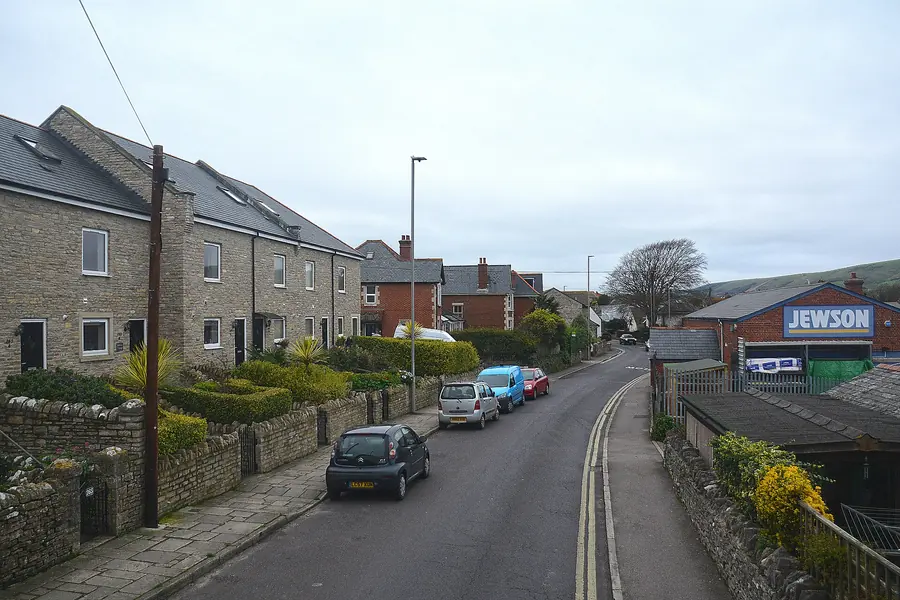
Dorset Council’s records show Article 4 directions covering the Swanage and Wareham conservation areas. If you live in either, check with the council before changing roof materials, even if the work would be permitted elsewhere. Dorchester’s conservation area also has an Article 4 direction, but it’s narrow: it deals with gates, fences and walls next to roads and open spaces, not with roofs. We didn’t find a roof-related Article 4 direction in Weymouth town centre.
Poundbury: the Duchy comes first
Poundbury, on Dorchester’s western edge, is a special case. Building started there in 1993 on Duchy of Cornwall land, and the Duchy still controls how the outside of every house looks.
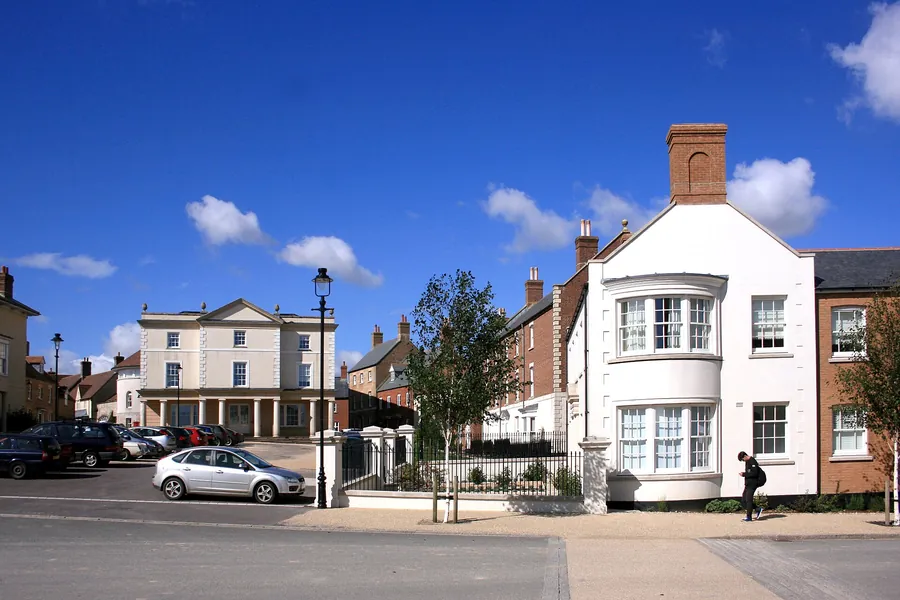
According to Poundbury’s management company guidance on home alterations, any alterations other than repainting in identical colours, and any repairs or works to the outside of a property, need Duchy permission before work starts. That’s on top of any planning or building regulations approval. So even replacing slipped slates in Poundbury needs a quick application first. A roofer working there should know this and factor in the time.
Before you book: a quick checklist
A few minutes of checking now saves a stop notice later.
First, find out if your house is listed, and whether it sits in a conservation area or an Article 4 area. Then decide whether the work will change how the roof looks, in material, colour, shape or features. If it’s a Poundbury home, apply to the Duchy before anything else. And if you’re unsure, ask Dorset Council’s planning team before committing.
We’ll help you work through it at the survey. If you’re also weighing up the budget, our guide to what a new roof costs in Weymouth covers the figures.
Frequently asked questions
Do I need planning permission to re-roof my house in Weymouth?
Not usually, if the new roof looks the same as the old one. Changing the material or the shape, or working on a listed building or in some conservation areas, can need permission or consent from Dorset Council.
Which council handles planning in Weymouth and Portland?
Dorset Council. It replaced Weymouth and Portland Borough Council in April 2019 and is the planning authority for Weymouth, Portland and the surrounding towns covered here.
Does a roof repair in Poundbury need permission?
Yes. Poundbury's management company says any repairs or works to the outside of a property need the Duchy of Cornwall's permission before work starts, in addition to any planning permission or building regulations approval.
Is Portland in a conservation area?
Much of it is. Dorset Council's records show four conservation areas on Portland: Underhill, Grove, Portland (covering Easton, Wakeham and Reforne) and Weston. Southwell is the only village not in one.
Want a roofer to take a look?
Free surveys and fixed written quotes across Weymouth, Portland and nearby towns.